
Invisalign Salinas & San Jose, CA
A Clear Approach to a Straighter Smile
If you want straighter teeth without the appearance of metal braces, Invisalign may be an option. Invisalign uses a series of clear, custom-made aligners to gradually move your teeth into planned positions. The aligners fit closely over your teeth and are removable for meals, brushing, and flossing.
At Bay Valley Dental, we begin with an evaluation of your teeth, bite, and treatment goals. We’ll explain whether Invisalign is appropriate for your needs, what treatment involves, and how your daily habits can help support your results.

How Invisalign Works
Invisalign treatment follows a personalized plan that maps out a sequence of tooth movements. Each set of aligners applies controlled pressure to specific teeth, gradually guiding them toward their planned positions.
You wear your aligners according to your dentist’s instructions and switch to the next set on the prescribed schedule. Regular progress visits allow your dentist to check how your teeth are responding and determine whether adjustments are needed. Some patients also need small, tooth-colored attachments that help the aligners guide particular movements.
Benefits of Invisalign
Invisalign combines orthodontic treatment with features that can fit into your everyday routine.
What Can Invisalign Treat?
Invisalign can address many cases of crowded teeth, gaps between teeth, and certain bite concerns, including overbite, underbite, crossbite, and open bite. It may also be an option when teeth have shifted after previous orthodontic treatment.
The right treatment depends on more than how straight your front teeth look. Your dentist evaluates your bite, gum health, existing dental work, and the types of movement needed. Some complex concerns may respond better to braces or require care from an orthodontist.
What to Expect During Treatment
Your first step is a consultation to discuss your concerns and evaluate your oral health. Your dentist may recommend photographs, dental X-rays, and digital impressions to gather the information needed for treatment planning.
If Invisalign is appropriate, your dentist develops your treatment plan and reviews the expected process with you. Once your aligners are ready, you’ll receive instructions for inserting, removing, wearing, and cleaning them. Your dentist will also explain whether attachments or other supporting procedures are needed.
You’ll return for progress checks throughout treatment. Following your wear schedule and keeping these appointments helps your dentist monitor tooth movement and address concerns along the way.
Everyday Life With Invisalign
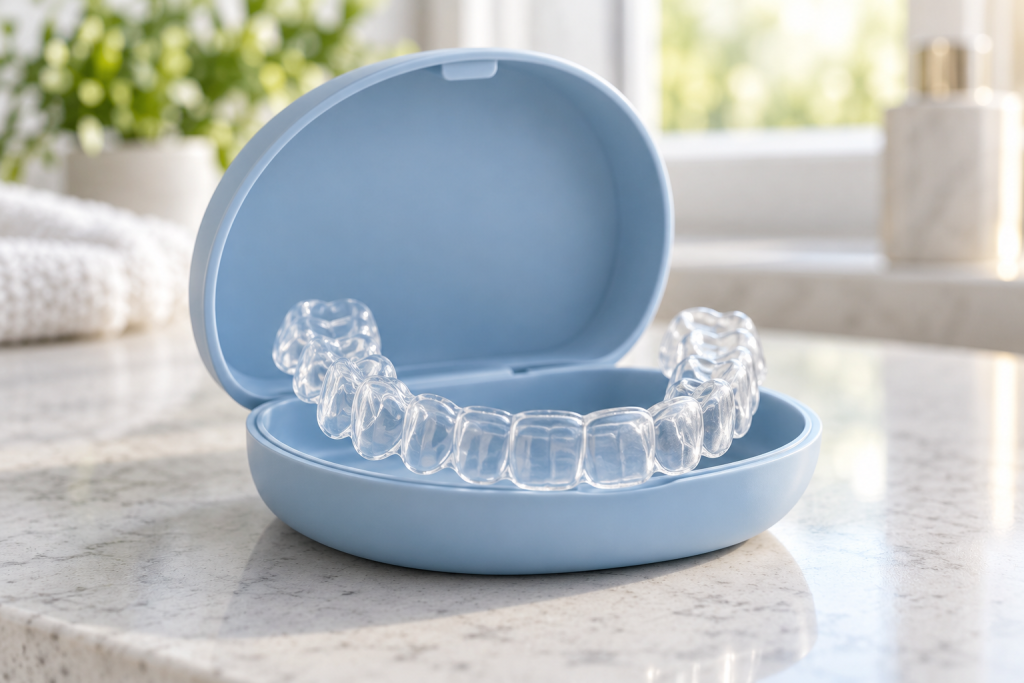
Consistent wear is an essential part of Invisalign treatment. Remove your aligners for meals and for drinks other than plain water, then clean your teeth before putting them back in. Store the aligners in their protective case whenever they are out of your mouth.
Clean your aligners as directed and avoid hot water, which can distort their shape. Continue regular dental checkups and cleanings during treatment to help maintain healthy teeth and gums.

Keeping Your Smile Straight
After active treatment, retainers help maintain your teeth in their new positions. Teeth can shift over time, so retention is an ongoing part of protecting your results.
Your dentist will recommend a retainer and explain when to wear it, how to care for it, and when it may need replacement.
Invisalign FAQs
Explore Your Options for a Straighter Smile
Find out whether Invisalign is right for you. Contact Bay Valley Dental to schedule a consultation and discuss a treatment plan for your smile.


