
iTero Lumina Salinas & San Jose, CA
Digital Impressions for a More Comfortable Dental Experience
Dental impressions help your dentist understand your smile and plan treatment. With iTero Lumina, that process starts with a small handheld scanner that captures detailed images of your teeth and gums. These images create a three-dimensional digital model you can view on a screen alongside your dental team.
For many treatments, digital scanning offers an alternative to traditional impression trays and putty. It also gives you a closer look at your teeth, helping you understand your dentist’s recommendations and take a more informed role in your care.
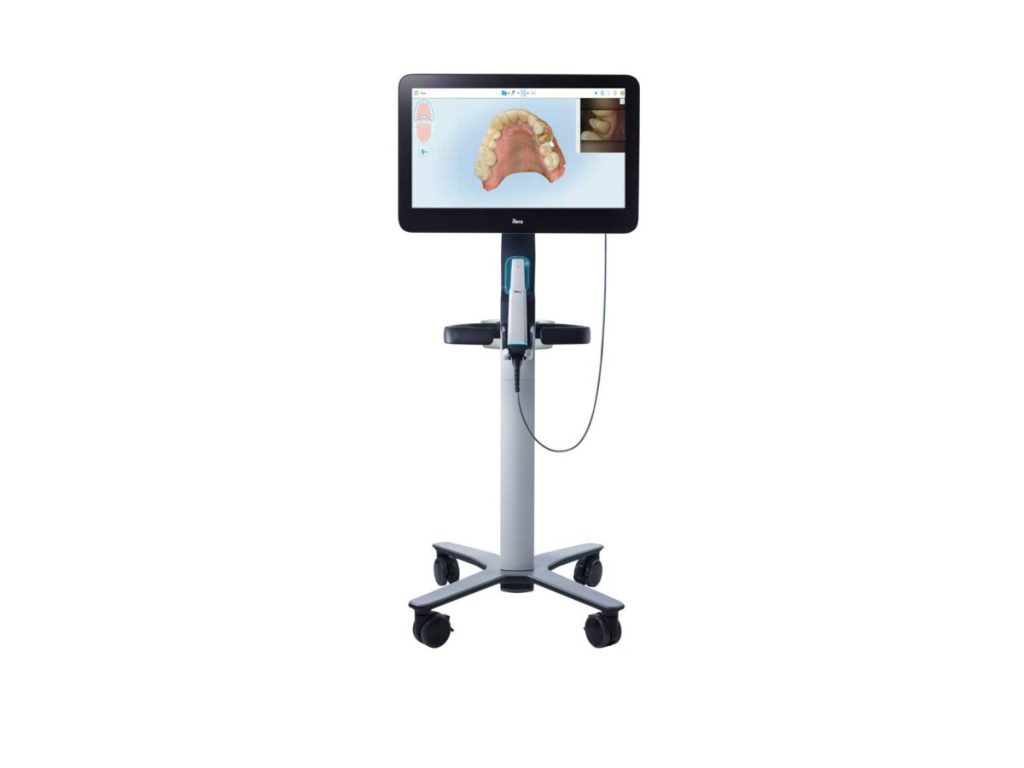
What Is the iTero Lumina Scanner?
iTero Lumina is an intraoral scanner—a device that takes images from inside your mouth to create a detailed digital impression. Your dental team gently moves the scanning wand around your teeth, capturing their shape and how your upper and lower teeth fit together.
The resulting model provides a digital record that can support treatment planning and communication with dental laboratories. Its lifelike visuals also make it easier for your dentist to show you areas of concern and explain possible treatment options.
Benefits of iTero Lumina
Digital scanning makes dental impressions easier to understand and more comfortable for many patients.
How Digital Scans Support Your Care
An iTero Lumina scan gives your dentist a detailed view of the visible surfaces of your teeth and gums. Depending on your treatment needs, digital impressions may help with planning crowns, bridges, clear aligners, or other dental appliances.
For orthodontic care, compatible digital workflows allow scan information to support Invisalign treatment planning. For restorative care, digital impressions can help communicate tooth shape and bite information to a dental laboratory.
Your dentist determines when scanning is appropriate and what additional records are needed. A scan is one part of your evaluation, alongside your examination, health history, and any necessary dental X-rays.
What to Expect During Your Scan
Your dental team begins by explaining the process and positioning you comfortably. A team member then guides the scanning wand around your upper and lower teeth. You may also be asked to bite together briefly so the scanner can record how your teeth meet.
As images are captured, a digital model appears on the screen. Your dental team checks the scan and captures additional details where needed. You can ask for a pause if you need to swallow, rest your jaw, or adjust your position.
Once the scan is complete, your dentist can review the images with you and explain how they relate to your care.
iTero Lumina FAQs
Take a Closer Look at Your Smile
Understanding your dental care starts with a clear picture. iTero Lumina helps make that conversation more visual, giving you and your dentist a detailed view of your teeth. Contact our Salinas or San Jose to schedule an appointment and learn how digital scanning may fit into your treatment.


